


Essential Guide to Network Cabling Solutions in Tempe Arizona
In our fast-paced digital age, a solid network infrastructure is essential for both homes and businesses. In Tempe, Arizona, the surge in demand for reliable network cabling solutions reflects this necessity. As more residents and organizations seek improved connectivity, understanding network cabling becomes more critical. This guide highlights various aspects of network cabling, including types, benefits, installation tips, and local considerations.
Understanding Network Cabling
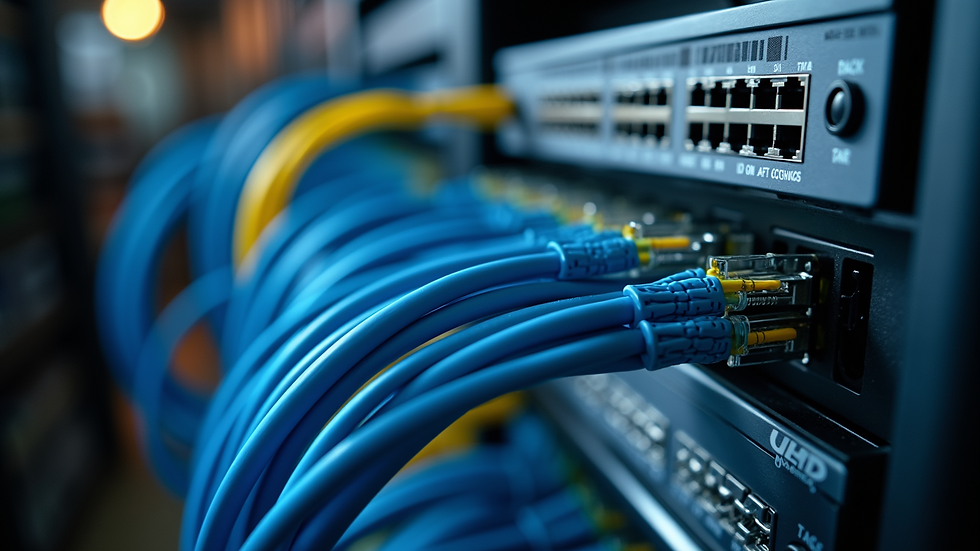
Network cabling is the physical medium connecting devices within a network. This connection allows devices to communicate seamlessly. The most common types of network cabling available today include:
Ethernet Cables: These cables are prevalent in local area networks (LANs) and come in different categories. For example, Cat5e cables can support speeds up to 1 Gbps, whereas Cat6 cables can provide speeds up to 10 Gbps, making them ideal for bandwidth-hungry applications such as streaming and online gaming.
Fiber Optic Cables: Known for their incredible speed and bandwidth, fiber optic cables use light signals to transmit data over long distances. For instance, they can support speeds over 100 Gbps, which is particularly beneficial for businesses needing high-capacity connections over significant distances.
Coaxial Cables: These are often used for connecting to cable internet services. While they are less common for general networking, they still play a role in specific applications, such as television signals.
Knowing these cable types helps you make smart choices about your network setup.
Benefits of Professional Network Cabling
Opting for professional network cabling solutions brings various advantages, especially in a tech-focused city like Tempe. Here are some key benefits:
Enhanced Performance: Proper cabling can enhance network speed and reliability, significantly reducing downtime. For example, a well-structured cabling system can improve data transfer speeds by up to 50%, directly affecting business productivity.
Scalability: A robust cabling setup allows for easy future upgrades, saving time and costs. For instance, if a small business grows from 10 to 50 employees, a well-planned cabling system can be expanded to accommodate new workstations and devices without a complete redesign.
Reduced Interference: High-quality cables reduce electromagnetic interference, ensuring stable connections. This is particularly important in densely populated areas where multiple networks can interfere with each other.
Organization and Aesthetics: Professional installation often means effective cable management solutions. This keeps spaces tidy, which is especially important in offices where organization can impact efficiency.
Safety: Experienced installers follow strict safety standards, minimizing the risks associated with improper installations, which can include electrical hazards.
Choosing the Right Network Cabling Provider in Tempe
Selecting a network cabling provider in Tempe is crucial to ensuring a smooth installation process. Consider these factors:
Experience and Expertise: Look for companies with a successful history in network cabling. For example, a provider with at least 5 years of experience in the Tempe area will likely understand local regulations and best practices.
Customer Reviews: Check feedback on platforms such as Google and Yelp, which can indicate the quality of service a provider offers. Look for companies with at least a four-star rating from multiple reviews.
Range of Services: A dependable provider should offer comprehensive services, from installation to maintenance and troubleshooting.
Warranty and Support: Ensure the provider offers warranties on their work and ongoing support for any arising issues. A strong warranty can cover 1 to 5 years, depending on the service level.
By evaluating these points, you can find a trustworthy partner for your network cabling projects.

Installation Tips for Network Cabling
If you’re considering a DIY approach to network cabling, here are essential tips:
Plan Your Layout: Start by creating a detailed map of where your devices and cables will go. This foresight can save time and confusion during installation.
Use Quality Materials: Invest in high-quality cables and connectors to ensure your installation lasts. For example, using Cat6 cables instead of Cat5e can future-proof your network.
Follow Local Codes: Familiarize yourself with local building codes to avoid any potential fines or issues. Your provider should help clarify these requirements.
Test Your Connections: After installing, use a cable tester to verify that all connections are working properly. Completing this step ensures there are no costly mistakes.
Label Your Cables: Clearly label each cable to simplify troubleshooting and future modifications. This can save you significant time down the road.
Implementing these tips will lead to a successful network cabling installation that effectively meets your needs.
Local Considerations for Network Cabling in Tempe
Tempe’s unique environment brings specific challenges and opportunities for network cabling. Here are some local factors to consider:
Climate: Tempe’s hot, dry climate can degrade certain types of cables. For installations exposed to the outdoors, choose cables rated for harsh conditions to ensure durability.
Urban Density: The city’s growing population can lead to network congestion. Selecting high-quality cabling solutions that manage increased traffic is essential for reliable connectivity.
Local Regulations: Always be aware of local codes and regulations surrounding network installations, particularly for commercial spaces. Non-compliance can lead to fines or required removal of installations.
By being aware of these local specifics, you can make informed choices about your network cabling solutions.

Final Thoughts on Network Cabling
Network cabling is a vital part of modern connectivity, especially in a vibrant city like Tempe, Arizona. By understanding the different types of cables available, the benefits of professional installation, and key local considerations, you can make informed decisions that boost your network's performance and reliability. Whether you are a homeowner or a business leader, investing in quality network cabling solutions will pay dividends in today's digital landscape.
As you navigate your network cabling journey, remember the importance of choosing a reputable provider, planning your installation thoroughly, and staying informed about regulations. With the right approach, you will be well on your way to establishing a powerful and efficient network infrastructure in Tempe.


Comments