


The Essential Guide to Data Cabling for Modern Businesses
Reliable data cabling forms the backbone of any modern business’s communication and IT infrastructure. Without a solid cabling system, companies face slow networks, frequent downtime, and security risks that can disrupt daily operations. This guide explains what data cabling involves, why it matters, and how businesses can choose the right solutions to support growth and efficiency.

What Is Data Cabling and Why It Matters
Data cabling refers to the physical wiring that connects computers, servers, switches, and other network devices. It carries data signals that allow devices to communicate and share information. The quality and type of cabling directly affect network speed, reliability, and security.
Businesses depend on fast and stable connections for tasks like video conferencing, cloud computing, and data storage. Poor cabling can cause slow downloads, dropped calls, and lost data. Investing in proper cabling reduces maintenance costs and prevents costly downtime.
Common Types of Data Cables
Choosing the right cable depends on the business’s needs, budget, and future plans. Here are the most common types:
Twisted Pair Cables
These cables consist of pairs of insulated copper wires twisted together to reduce interference. They come in two main forms:
- Unshielded Twisted Pair (UTP): Widely used in Ethernet networks, affordable and flexible.
- Shielded Twisted Pair (STP): Includes shielding to protect against electromagnetic interference, useful in noisy environments.
Coaxial Cables
Once popular for internet and TV signals, coaxial cables have a central conductor surrounded by insulation and shielding. They offer good protection against interference but are bulkier and less common in modern data networks.
Fiber Optic Cables
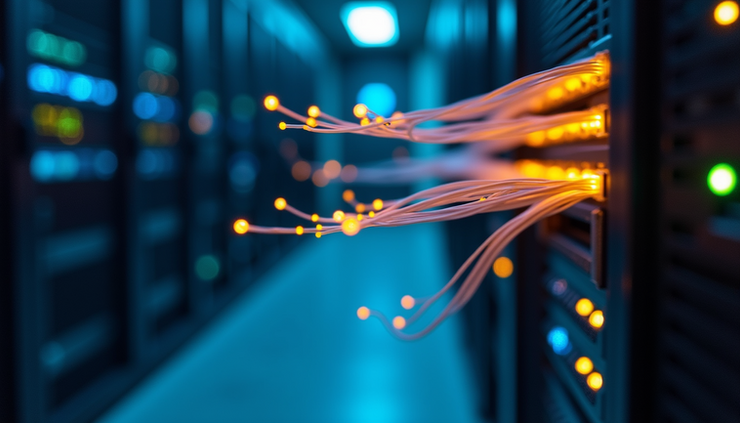
These cables use glass or plastic fibers to transmit data as light pulses. Fiber optics provide extremely high speeds and long-distance transmission without signal loss. They are ideal for data centers and businesses with heavy data demands.
Planning a Data Cabling System
A well-planned cabling system supports current needs and allows for future growth. Consider these steps:
Assess Your Needs
Identify the number of devices, types of applications, and expected data traffic. For example, a small office with basic internet use may only need UTP cables, while a large company handling video editing might require fiber optics.
Design the Layout
Map out where cables will run, including walls, ceilings, and floors. Plan for cable trays, conduits, and access points to keep cables organized and protected.
Choose Quality Materials
Use cables and connectors that meet industry standards such as Cat5e, Cat6, or Cat6a for twisted pair cables. Higher categories support faster speeds and better performance.
Hire Professionals
Certified installers ensure cables are correctly terminated, tested, and labeled. Proper installation reduces signal loss and makes troubleshooting easier.
Maintaining and Upgrading Data Cabling
Regular maintenance keeps the network running smoothly. Here are some tips:
Inspect Cables Periodically
Look for signs of wear, damage, or loose connections. Replace any faulty cables immediately.
Test Network Performance
Use cable testers and network analyzers to check signal strength and identify bottlenecks.
Plan for Upgrades
Technology evolves quickly. Upgrading to higher category cables or fiber optics can improve speed and reliability. For example, moving from Cat5e to Cat6a can double the maximum data rate.
Benefits of Proper Data Cabling for Businesses
Investing in a strong cabling infrastructure offers several advantages:
Improved Network Speed
Faster data transfer means employees can work more efficiently and customers receive better service.
Reduced Downtime
Reliable cabling minimizes connection failures and network interruptions.
Scalability
A flexible cabling system allows easy addition of new devices or expansion to new locations.
Enhanced Security
Properly installed cables reduce the risk of unauthorized access or data leaks.
Cost Savings
Avoid frequent repairs and upgrades by choosing durable cables and professional installation.
Choosing the Right Data Cabling Partner
Selecting a trustworthy cabling provider makes a big difference. Look for companies that:
Have experience with similar business sizes and industries
Use certified products and follow industry standards
Offer testing and documentation after installation
Provide ongoing support and maintenance services
Final Thoughts on Data Cabling
A well-designed data cabling system is essential for modern businesses to stay connected and competitive. It supports fast communication, protects data, and adapts to changing technology. By understanding the types of cables, planning carefully, and working with experts, businesses can build a network that meets their needs today and tomorrow.
Take the next step by evaluating your current cabling setup or consulting a professional to explore options that fit your business goals. Strong data cabling is an investment that pays off in smoother operations and better growth potential.


Comments