


The Importance of eWaste Recycling at Desert Computer Solutions
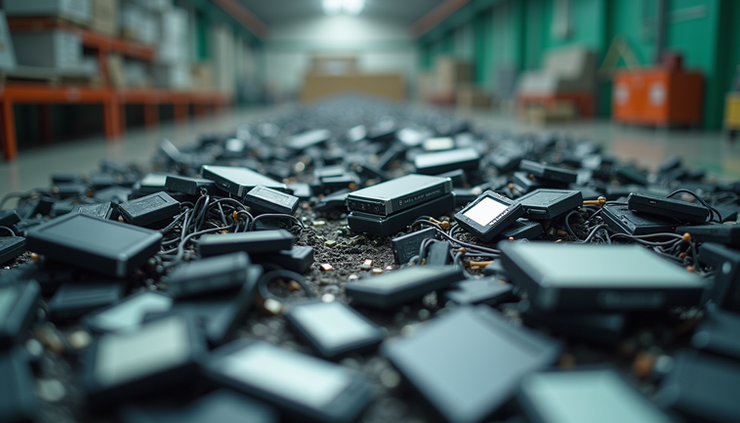
Electronic waste, or eWaste, is one of the fastest-growing waste streams worldwide. Every year, millions of tons of discarded electronics end up in landfills, causing serious environmental and health problems. Desert Computer Solutions recognizes the urgent need to manage eWaste responsibly and offers effective recycling solutions that protect the environment and conserve resources.
Why eWaste Recycling Matters
Electronic devices contain hazardous materials such as lead, mercury, and cadmium. When these devices are improperly disposed of, toxic substances can leach into soil and water, harming wildlife and human health. Recycling eWaste prevents these pollutants from entering the environment.
Beyond pollution, eWaste recycling recovers valuable materials like gold, silver, copper, and rare earth metals. Mining these metals requires significant energy and causes environmental damage. Recycling reduces the need for mining, saving energy and preserving natural habitats.
How Desert Computer Solutions Handles eWaste
Desert Computer Solutions follows strict protocols to ensure eWaste is recycled safely and efficiently. Their process includes:
Collection and sorting: Devices are gathered from individuals and businesses, then sorted by type and condition.
Data destruction: Hard drives and storage devices undergo secure data wiping or physical destruction to protect privacy.
Component recovery: Valuable metals and plastics are separated using environmentally friendly methods.
Proper disposal: Non-recyclable parts are disposed of according to environmental regulations.
This approach guarantees that eWaste is handled responsibly, reducing environmental impact while recovering useful materials.

Benefits for the Community and Environment
Recycling eWaste at Desert Computer Solutions benefits the local community and environment in several ways:
Reduces landfill waste: Electronics take up space and release toxins in landfills. Recycling keeps these items out of waste sites.
Protects public health: Proper disposal prevents harmful chemicals from contaminating water and air.
Creates jobs: The recycling process supports local employment in collection, processing, and resale.
Promotes sustainability: Recovering materials reduces the demand for new resources and lowers carbon emissions.
For example, a recent project collected over 10 tons of eWaste from the community, diverting it from landfills and recovering thousands of pounds of metals for reuse.
How You Can Participate
Everyone can contribute to reducing eWaste by recycling old electronics responsibly. Desert Computer Solutions offers convenient drop-off locations and scheduled collection events. Here are some tips to get started:
Check for local recycling programs: Use Desert Computer Solutions’ services or other certified recyclers.
Erase personal data: Before recycling, securely delete all personal information from devices.
Donate usable electronics: If devices still work, consider donating to schools or nonprofits.
Avoid tossing electronics in regular trash: This prevents hazardous materials from entering the environment.
By taking these steps, individuals and businesses help build a cleaner, safer community.

Moving Forward with Responsible eWaste Management
The growing volume of electronic devices means eWaste will continue to be a challenge. Desert Computer Solutions is committed to expanding its recycling programs and educating the public about the importance of responsible disposal.


Comments