


The Ultimate Guide to Structured Cabling in Tempe
Structured cabling forms the backbone of any modern communication system. Whether you run a small business or manage a large office in Tempe, having a reliable and well-organized cabling system is essential. It ensures smooth data flow, supports future technology upgrades, and reduces downtime caused by network failures. This guide explains everything you need to know about structured cabling in Tempe, from its benefits to practical tips for installation and maintenance.
What Is Structured Cabling?
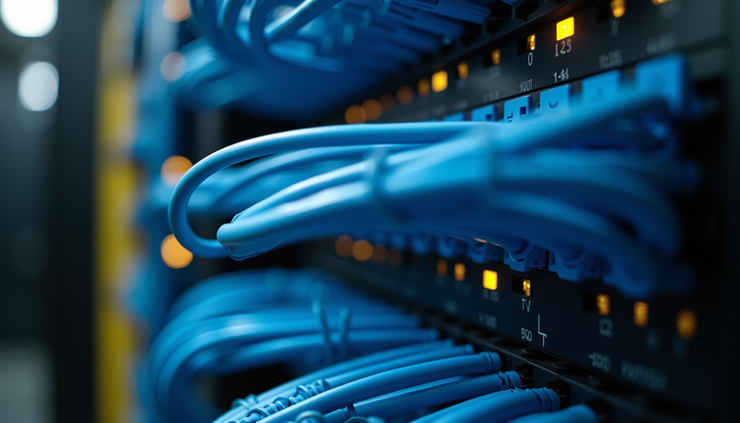
Structured cabling is a standardized approach to designing and installing cabling systems that support multiple hardware uses. Unlike random or ad hoc wiring, structured cabling follows a planned layout with specific components such as patch panels, cable trays, and connectors. This system supports voice, data, video, and other communication services on a single infrastructure.
In Tempe, structured cabling is especially important due to the growing demand for fast internet and reliable communication in businesses, schools, and healthcare facilities. Proper cabling reduces interference and signal loss, which is critical in environments with many connected devices.
Benefits of Structured Cabling in Tempe
Choosing structured cabling offers several advantages:
Improved Network Performance
A well-designed cabling system reduces data transmission errors and supports higher bandwidths, which means faster and more reliable internet and communication.
Simplified Maintenance and Troubleshooting
Organized cabling makes it easier to identify and fix problems quickly, minimizing downtime.
Scalability for Future Growth
Structured cabling allows easy addition of new devices or technologies without major rewiring.
Cost Savings Over Time
Although the initial investment might be higher, structured cabling reduces repair costs and the need for frequent upgrades.
Enhanced Aesthetics and Safety
Proper cable management prevents clutter and reduces fire hazards caused by tangled or damaged cables.
Key Components of Structured Cabling Systems
Understanding the main parts of a structured cabling system helps in planning and maintenance:
Entrance Facilities
The point where external service providers connect to the building’s cabling system.
Equipment Rooms
Spaces housing servers, switches, and patch panels.
Backbone Cabling
Cables that connect different equipment rooms or floors, usually fiber optic or high-grade copper.
Horizontal Cabling
Runs from the equipment room to work areas, typically using twisted-pair copper cables.
Telecommunications Rooms
Intermediate spaces where horizontal and backbone cabling connect.
Work Area Components
Outlets, connectors, and cables that connect end-user devices.
Choosing the Right Structured Cabling for Your Tempe Property
Selecting the appropriate cabling depends on your specific needs:
Copper vs. Fiber Optic
Copper cables (like Cat5e, Cat6) are common for most office networks. Fiber optic cables offer higher speeds and longer distances but cost more.
Cable Categories
Cat6 and Cat6a cables support gigabit speeds and are suitable for most businesses. Cat7 and Cat8 provide even higher performance for data centers or tech-heavy environments.
Compliance with Standards
Ensure the cabling meets industry standards such as ANSI/TIA-568 for performance and safety.
Environmental Considerations
In Tempe’s hot climate, use cables rated for temperature and UV resistance if exposed outdoors.
Installation Tips for Structured Cabling in Tempe
Proper installation is crucial for performance and longevity:
Plan the Layout Carefully
Map out cable routes to avoid interference from electrical wiring and reduce cable lengths.
Use Quality Materials
Invest in certified cables, connectors, and hardware to avoid frequent failures.
Label Everything
Clear labeling of cables and ports speeds up troubleshooting and future upgrades.
Hire Experienced Technicians
Professional installers understand local building codes and best practices.
Test After Installation
Use cable testers to verify signal quality and identify faults before finalizing the setup.

Maintaining Your Structured Cabling System
Regular maintenance keeps your network running smoothly:
Routine Inspections
Check for physical damage, loose connections, or dust buildup.
Update Documentation
Keep records of cable layouts and changes for easy reference.
Replace Damaged Components
Swap out worn cables or connectors promptly to prevent network issues.
Monitor Network Performance
Use software tools to detect slowdowns or interruptions that may indicate cabling problems.
Plan for Upgrades
Schedule periodic reviews to assess if your cabling supports new technologies or increased traffic.
Why Tempe Businesses Should Invest in Structured Cabling
Tempe’s growing economy and technology sector demand reliable communication infrastructure. Structured cabling supports:
Smart Building Technologies
Automated lighting, security, and HVAC systems rely on stable networks.
Remote Work and Cloud Services
Fast, consistent connections enable employees to work from anywhere.
Healthcare and Education
Hospitals and schools need secure, high-speed data transfer for critical applications.
Investing in structured cabling now saves money and headaches later. It prepares your property for future technology needs and keeps your network stable.


Comments